
Is Burnout
A Depletion of Energy?
Or
A Depletion of Purpose?
(The very reason you started the practice)

The exhaustion, brain fog and growing distance from yourself feels like the high price of being an exceptional physician.
Few things are more frustrating than seeing patients with chronic conditions worsen time and again on your watch — while knowing your options are limited.
Perhaps you’re being called to the next practice.
By yourself.
Let's start the conversationExcellence in Medicine
Comes at a Cost
The better you become as a doctor,
the easier it is to lose yourself in it.
Today, 40-50% of MDs experience symptoms of burnout.
And most explanations stop at 'the system'. The expectations. The workload. The professional stress. The peer pressure. The admin. The EHRs. The 8-minute consults that are never enough.
And certainly, these matter. A lot. It's probably not the practice you imagined.
Expectations of 'the system' do not just shape your practice.
They shape your nervous system.
But there are deeper layers to it.
Because few things are more frustrating than spending years, maybe even a decade, learning to heal, while spending most of your day managing disease.
If you're in clinical practice, you'll probably recognize it. Seeing the same patients returning year after year. For upgraded dosages because of progression, new meds because of side-effects. Or trying something new to relieve the symptoms. Often, increasing comorbidity.
And despite all your effort, you are left with the unsettling feeling that you're helping people survive in the best way possible, but not necessarily helping them improve their health.
Researchers increasingly describe this as moral distress and even moral injury.
Because there is tension in knowing what patients truly need and being unable to provide it.
And there is exhaustion in being unable to fully express the purpose that brought you into medicine in the first place.
That's why so many physicians quietly miss themselves.
IS LOSING YOUR EDGE INEVITABLE?
NORMALISE THE CURRENT PRACTICE?
Common
is not
Normal
Perhaps the most remarkable thing about high performing physicians is their ability to adapt.
To push through, keep functioning. Until functioning quietly becomes surviving. And surviving becomes normal.
Except it isn't.
Forty to fifty percent of physicians experience symptoms of burnout.
That makes burnout common. Not normal.
You know better than anyone that chronic fatigue, brain fog, numbness, losing patience with the people you love, feeling detached from patients you genuinely care about, are real symptoms.
Of chronic conditions. The same symptoms you see everyday with your patients. Often vague, often intermittent, often unpredictable. Sometimes we may even wonder if we make it up or it's just a busy week, poor sleep or maybe even just aging.
But adapting to it and managing symptoms isn't the same as solving it.
Is it solvable?
There may be a clue within burnout and chronic conditions, hidden in plain sight.
Symptoms are signals. The body makes sense. An invitation us to ask a deeper question:
"What is my body trying to tell me?"
Because symptoms, adapting life and missing yourself because of it is not normal.

Managing Burnout
Isn't the Same as Solving It
Most physicians have already tried something. A vacation - Exercise - More sleep - Mindfulness - CBT - Resilience training.
Perhaps even time away from practice.
Some quietly check out. Thirty percent become "quiet quitters" - executing duties on the outside while feeling checked out on the inside.
Others begin to dream about early retirement.
And many of these approaches help. For a while.
But if they truly resolved burnout, we would expect burnout rates to decline. Instead, they remain remarkably stable.
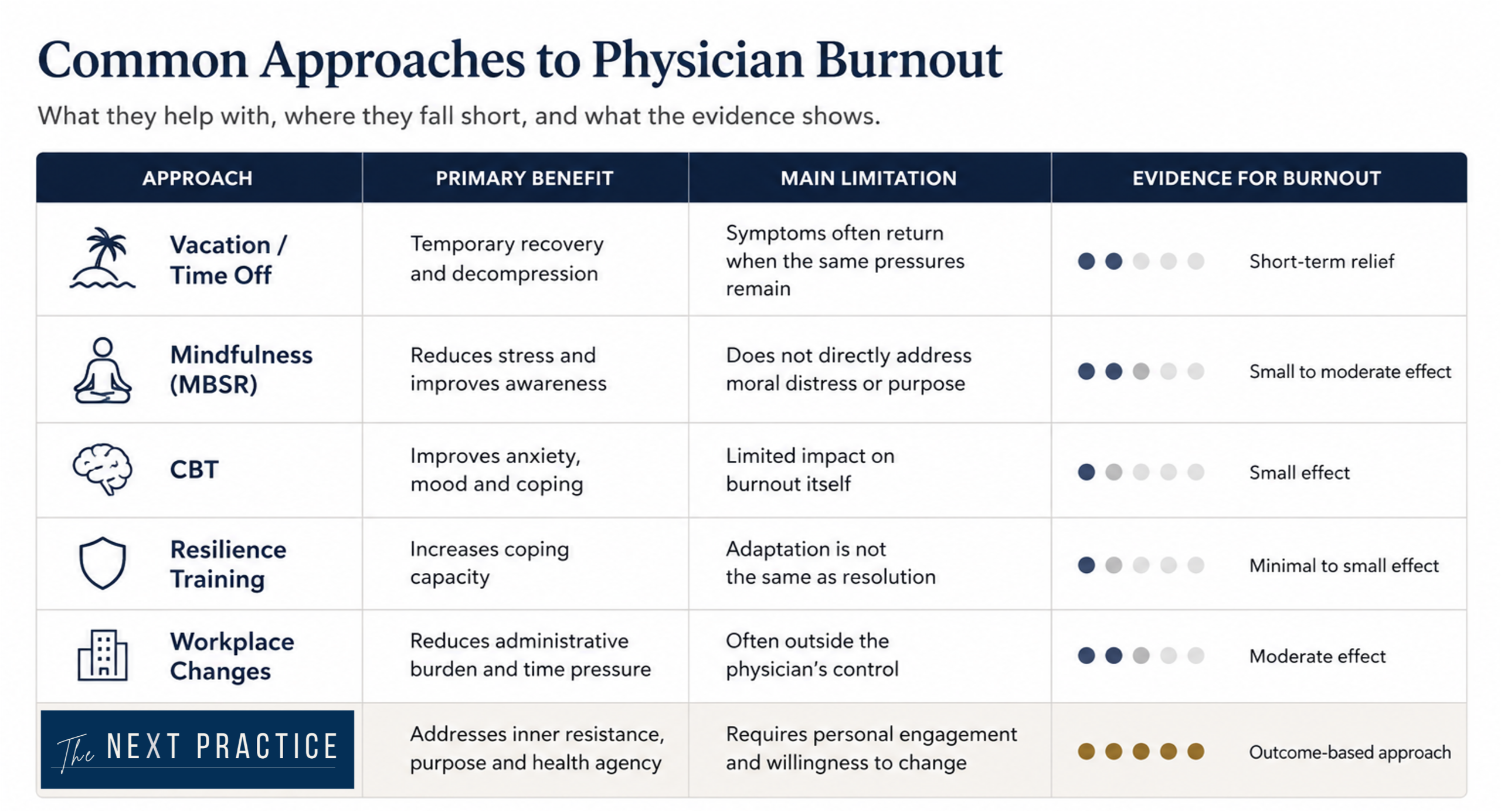
Symptom Relief and Resolution are not the same thing.
Classic approaches for burnout are based on managing symptoms rather than solving the cause.
Ironically, that puts physicians in the same trap many of their patients with chronic disease find themselves in.
A progressive loop.
Until you break it.
Which raises an interesting question:
Is it time for the next practice?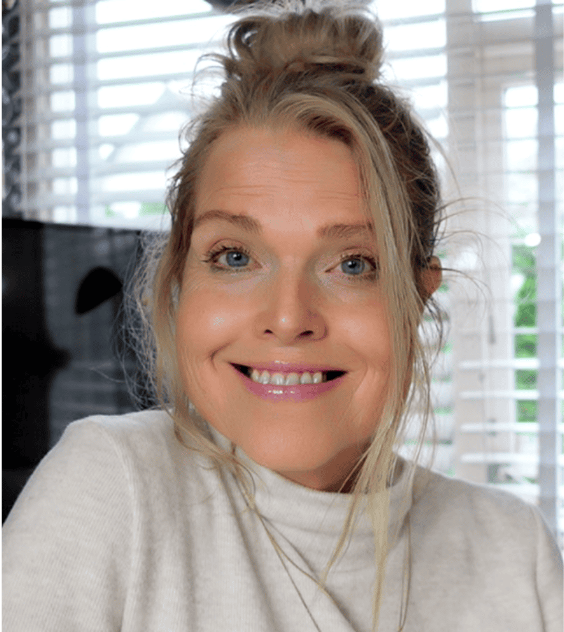
Chronic Disease
Taught Me a Lot About
Burnout
Let's meet!
I'm not a physician. My background is in science, IT and healthcare. I hold a PhD in Quantum Chemistry from Utrecht University and completed a postdoctoral degree in Healthcare Management at VU University Amsterdam.
But my relationship with chronic disease started long before that. For as long as I can remember, chronic disease has been part of my life.
Even before I was born, my parents were struggling with multiple chronic conditions. Before the age of eleven, I was hospitalized twice myself. And later, I became the primary caregiver for my parents. The countless consultations ending with the same words: 'There is not much more we can do.'
I refused to accept that.
Not because I doubted the doctors.
But because I could not accept that chronic conditions simply appeared, stayed, and left us powerless over our own health.
It started a 25-year journey to understand chronic disease and find a deeper explanation. It led to the development of the Chronicitis Theory explained in my book, 'Reverse Chronic Disease – Back to No Limits.'
Here's where paths converge. One of the transformations I led involved reducing the time to cancer diagnosis across 25 tumour types in four academic hospitals from weeks (sometimes months) to 24 hours.
And one thing struck me.
I never met a specialist who wanted patients to wait the average 35 days for answers. Not one. Because every extra day meant another sleepless night for a patient and their family. They all wanted better. But many believed the system would not allow it. And it drained them.
Step by step, we discovered a new way of practising. Not by fighting the system. But by seeing possibilities that had remained invisible.
With less burnout, and more meaning. Little did I know, the next practice would become 'my thing'. I hope it will become yours too.
INTRODUCING
THE CHRONICITIS THEORY

"To change the things
you look at,
you have to change
the way you look at things."
-Wayne Dyer
Medicine changes when paradigms change.
A different way of seeing gave us germs instead of miasma.
H. pylori instead of stress.
And with every new paradigm comes a new practice.
And a different role for the physician.
Chronic Disease & Burnout
Have More in Common Than We May Realize
The Chronicitis Theory is a new view on common chronic diseases, based on decades of research and supported by emerging evidence on chronic low grade inflammation (like Furman et al., Nature Medicine, 2019).
It proposes that common chronic diseases are not separate entities, but different manifestations of a shared process with a handful of root causes.
If that were true, common chronic conditions should share early symptoms.
And they do.
Long before the diagnosis, many patients experience vague and seemingly unrelated complaints:
Chronic fatigue, persistent brain fog, muscle aches, unexplainable joint pain, stubborn weight gain, frequent digestive issues like bloating or gas, skin flare-ups such as rashes or eczema, mood shifts like irritation, social withdrawal, episodes of anxiety or mild depression, frequent infections, unrefreshing sleep, insomnia and slow recovery.
Interestingly, these symptoms are not characteristic of the diagnosis.
They are characteristic of low grade inflammation.
And many of them are strikingly familiar. Not only in your patients. But also in burnout.
In fact, growing evidence suggests that low grade inflammation is one of the core biological pathways involved in burnout.

Along the Way, People Said Things Like…
— Head of Pathology
"Suddenly I realized I had been leading out of fear of losing my brilliant pathologists.
Something changed when I chose trust instead.
The throughput time fell from days to five hours. A huge improvement. Leading felt right again"
— Head of Cancer Care
"For years, I felt I couldn't give cancer patients the time I believed they needed, even though I carried the responsibility for the department.
Something shifted within me. And suddenly, what had seemed impossible became possible - and we got it done"
— Patient with Fibromyalgia
"After years of being told to cope, my energy returned within five weeks. I learned to listen to myself.
I could take on a full time job again - and keep it."
Explore what is possible for you

Your health matters.
And so do your patients.
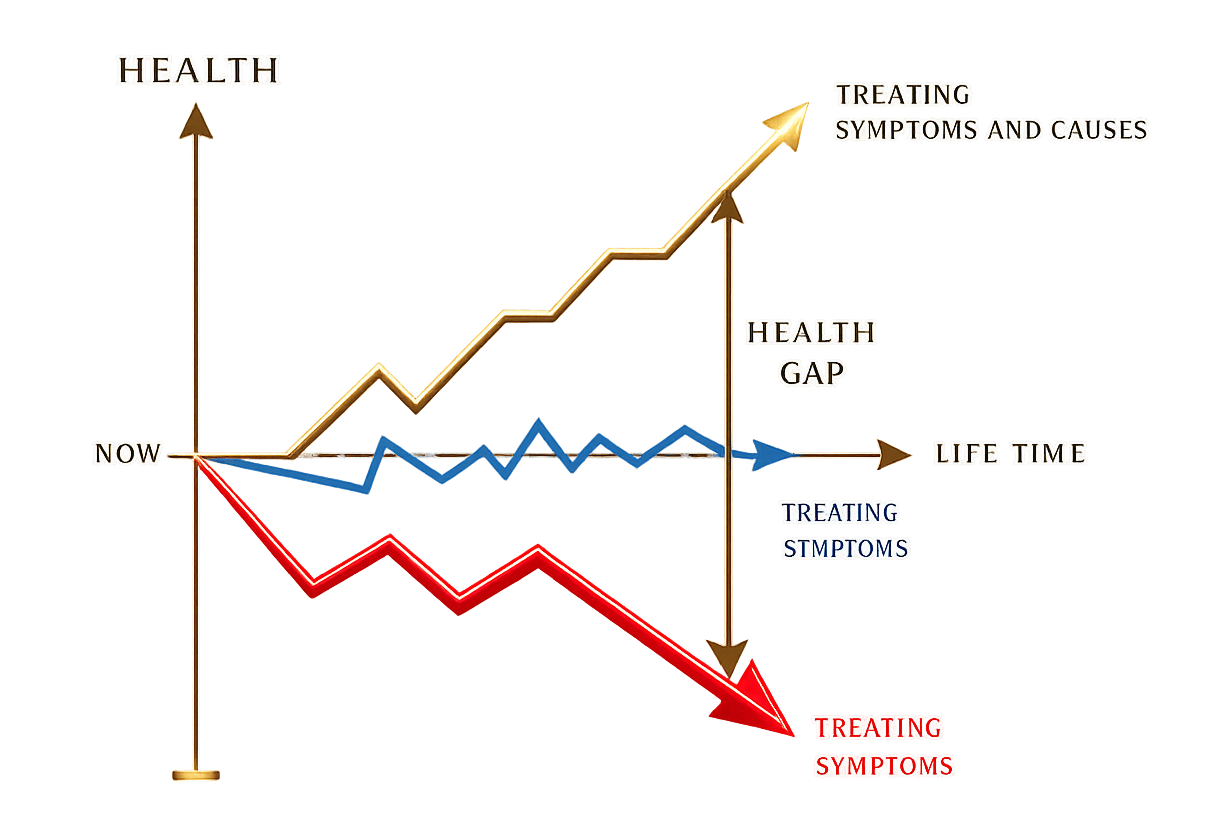
Like any chronic disease, burnout tends to progress - if we do not solve causes.
Persistent burnout is associated with a higher risk of chronic disease, reduced quality of life, prolonged sick leave, early retirement and even lost income that can easily exceed $100,000.
Most concerning, physicians experiencing burnout symptoms exhibit a 222% increase in the odds of reporting medical errors. Which is only logical. Because chronic stress is not neutral, not biologically or cognitively.
Ignoring burnout, or only treating symptoms of it, is not benign. It is no news that chronic conditions rarely remain status quo.
The longer symptoms are managed while causes remain unresolved, the larger the health gap becomes.
For you.
And for the people who trust you.
Let's talkThe best time to close the health gap was years ago.
The second-best time is now.
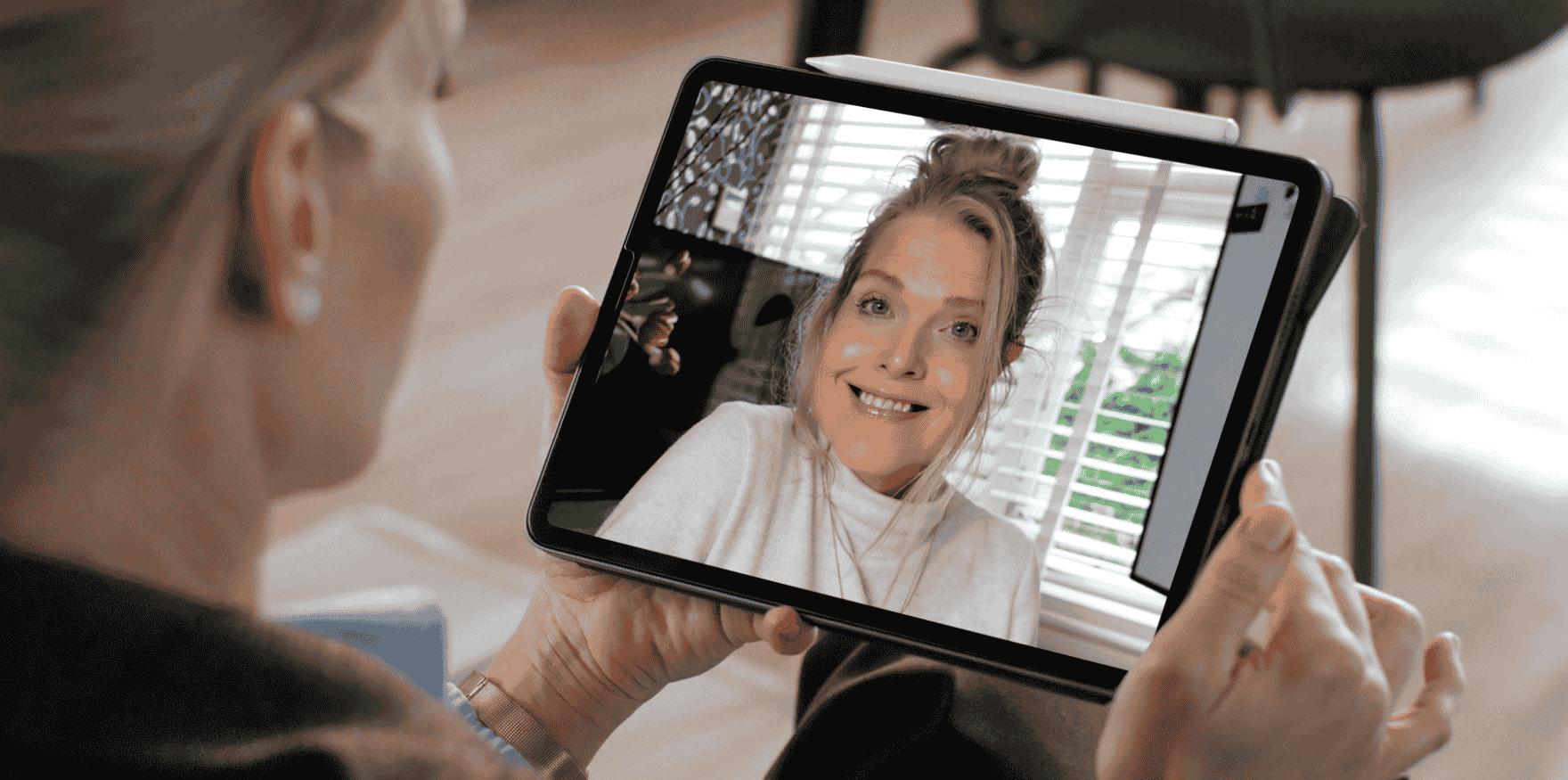
The Next Practice is a 12-session, science-informed and outcome-based approach based on the Chronicitis Theory.
Not through endless analysis of the past. But by working directly with what is active in your system now.
Because everyday experiences are remarkably revealing. A difficult consultation. An email. A feeling of frustration. A sleepless night. A recurring thought. A moment of irritation.
Rather than treating these experiences as problems (or even challenges),
we use them as clues.
Together, we identify the patterns creating internal pressure and observe how they shape your automatic reactions. And from there, we resolve them at the level they operate. Not merely cognitively. But physiologically. At the level of the nervous system.
Over 12 weeks, we move through five phases.
➜ Beginning with clarity around purpose and what truly matters to you.
➜ Learning to transform automatic reactions into deliberate responses.
➜ Developing trust in your inner guidance.
➜ And ultimately restoring what I call health agency: the ability to participate consciously in your own health.
And perhaps equally important:
➜ To practice medicine from personal power rather than chronic pressure.
It is a new way of looking at health and disease. At your profession. And ultimately, at yourself.
Because the next practice is way more than recovering from burnout.
It is about returning to yourself.
As a physician.
And as a human being.

🟣 Phase I: From Fog to Focus
Rediscover what matters.
Understand the patterns behind your exhaustion and reconnect with the purpose that brought you into medicine.

🔵 Phase II: Turn Pressure into Power
Identify the sources of inner resistance.
Use everyday experiences to uncover the hidden tensions driving stress, fatigue and moral distress

🟢 Phase III: Rewire Reactions into Recovery
Restore physiological flexibility.
Transform automatic stress responses into deliberate responses that support repair, energy and resilience.

🟡 Phase IV: From Noise to Knowing
Develop health agency.
Learn to trust your own experience and navigate life and medicine from personal power rather than chronic pressure.

🔴 Phase V: From Burnout to the Next Practice
Integrate a new way of practicing.
Apply the principles of the Chronicitis Theory to your own life and rediscover medicine with greater meaning, health and joy.

Real Client Results within 12 weeks
'I believe in myself again'
-RS

Life Functionality
Burnout → Calm, present, joyful
Guilt in saying “no” → Protects energy
Constant pressure → Listens to her body & acts
Social withdrawal → Active social life, hobbies, and vacations

Physical Health
Energy 4/10 → Energy 9/10
Daily pain 4/10 → 8/10 Occasional only
Brain fog → Clear focus
Disturbed sleep → Restful nights
Too fatigued to work → Back to full-time

Mental Health
Sadness → Emotional stability
Frequent anxiety → Peace of mind
Existential thoughts → Clear future outlook
Loud inner critic → Quiet, kind self-talk
Emotional overwhelm → Strong boundaries
The Value of Mental & Physical Health is Priceless

Let's talk
Let's Talk
A discovery call isn't a moment to convince you.
It's a moment of clarity.
If my approach resonates, you're invited to book a 30-minute conversation. We'll explore how you're experiencing your days, what feels most difficult right now, and what a more sustainable and meaningful way of practicing medicine could look like for you.
We'll also assess fit - openly and without agenda.
This work asks for a certain level of readiness and responsibility, so it's not for everyone. If it aligns, we'll discuss the next step. If it doesn't, you'll still leave with a clearer understanding of what may be driving your exhaustion, frustration, or sense of disconnection.
No pressure. No performance.
Just an honest conversation between two people exploring whether The Next Practice is right for you.
Book a Discovery Call
Submit your contact details so I can reach out for your free discovery call. You'll get a first message to confirm your email address to keep both our inboxes safe.
After that, I'll personally contact you via a second email to set up a time at your convenience.
I look forward to meet you.
Do you doubt you have the time?
Do you feel the system is beyond your control?
You don’t want anyone to know?
Will my organization make the investment?
Who this is especially for?
Who this is not for?
The Real Cost of Burnout
Is Not What You Spend.
It's the direction your life continues to move when nothing fundamentally changes.
Because like the chronic diseases you treat every day, burnout rarely remains status quo.
And while symptoms may come and go, the gap between surviving and truly living tends to widen with time.
The Next Practice is not an investment in temporary relief.
It is an investment in yourself. In your health. In your relationships. In your purpose.
And in the physician you still know yourself to be.
Because perhaps the greatest cost is not exhaustion. It is slowly becoming someone you no longer recognize.
And perhaps the greatest opportunity is discovering that you don't have to.
The next practice begins with a conversation.
OUTCOME DISCLAIMER
Outcomes vary and depend on multiple factors, including your specific symptoms and the personal changes you implement.
There are no guarantees - because recreating vitality is a highly individual journey.
MEDICAL DISCLAIMER
I am not a medical doctor and do not provide medical advice, diagnosis, or treatment. I am a researcher, author, and founder of BurnoutRx, Your Body Makes Sense, the author of 'Reverse Chronic Disease - back to No Limits', and the creator of the Chronicitis™ Theory. My work is based on published medical science and emerging research. The information provided is for educational purposes only. Always consult your healthcare provider before making changes to your health plan or medical care.
The Next Practice™ is not intended as a substitute for professional medical advice, diagnosis, or treatment. Consult your healthcare provider regarding any medical concerns. Participation in the program does not guarantee specific health outcomes, as individual results may vary.
By engaging with this program or content, you acknowledge that you are responsible for your own health decisions. The tools and frameworks shared are designed to support greater awareness, personal insight, and proactive well-being - not to replace clinical care.
It is your responsibility to seek appropriate medical support for any medical condition. The Next Practice is intended to complement - not replace - qualified healthcare.